
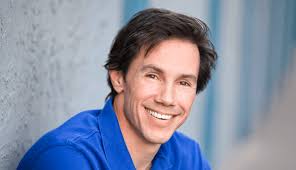
In this episode, Jason Hartman shares his next 10 Commandments of Successful Investing which include: Thou Shalt Not Be a Sucker, Thou Shalt Have a Reality Check, Thou Shalt Embrace Fragmentation, Thou Shalt Make Rational Decisions, and Thou Shalt Look at the Big Picture.
Announcer 0:04
Welcome to the heroic investing show. As first responders we risk our lives every day our financial security is under attack. Our pensions are in a state of emergency. A single on duty incident can alter or erase our earning potential instantly and forever. We are the heroes of society. We are self reliant, and we need to take care of our own financial future. The heroic investing show is our toolkit of business and investing tactics on our mission to financial freedom.
Gary Pinkerton 0:39
Hello, and welcome to Episode 115, Episode 115 of the heroic investing show. On this show, we focus on challenges that are unique to members of the armed services to first responders, and veterans. And all of those topics. Often I shouldn’t say all but most are also common to other investors, individuals that are trying to put in place alternative forms of creating income while you sleep, replacing the W two job or your current career with the job that you’ve been working out of the garage for way too long. With that career that’s starting to or that new job, that new startup business or that new investment that is starting to take over your focus your passion and your time. How do you put that in place? How do you do the transition? That’s what we talked about here on heroic investing? Well, one of the things that is a huge trap, or a huge pitfall that could prevent you could derail, you could certainly delay you is getting into business with the wrong people, using the wrong entities setting up the structure in correctly. All of the things that Jason has talked about numerous times, lessons that he has learned experiences that we have gained from other individuals, things that he has put into a list called the 10 commandments, or Jason’s 10 commandments of successful investing, any kind of investing, not just real estate investing, you’ve heard me talk about those. And then you’ve also heard us talk about, you know, 30 mistakes that investors make? Well, there happens to be a second set of 10 commandments, and we don’t talk about them a lot. Jason hasn’t mentioned them too much. We’ve played them on a couple of flashback Fridays, but I’m going to play them for you here for the first time on the heroic investing show. And I think you’re going to get great value out of them. He introduced them at a meet the Masters that I was at years ago. And again, just haven’t talked about him as much, but I will tell you that they’re really a relevant list, and additional highly relevant, highly important list of 10 things to keep in mind 10 things to avoid 10 things to make sure you do. And so I think you’re going to get great value out of these, I recommend that you you know periodically listen to this, listen to the original 10 commandments, and listen to other things like the 30 mistakes that investors make. And I ran those back on the heroic investing show. Back in the early days. Now now that we’re starting to get some legs under this and a few episodes under under our belt, but you can see those back, gosh, let’s see episodes 5556 you know, or where the the 30 fatal mistakes that investors make are listed. And there’s just a lot of others. So kind of my way of going through this in general, when when I do an episode on a Wednesday, it’s a new episode with a member of our focus group here on heroic investing show. And then when I do the Friday episode with Jason hosting, I will often go back and distill down what is already a great set of his best hits, which are the flashback Fridays, but I distill that down even further and put only the best of the best on the heroic investing show on Fridays. And this is an example of one of those. So this is again, an outtake from a meet the masters. But it’s a fairly long one where Jason is going into a lot of detail on these. So I don’t want to lengthen and even further I will keep my intro short, I want to let you know that there are a lot of great future interviews still coming here on the heroic investing show. So thank you so much. And let’s get to Jason and the next 10 commandments of successful investing.
Jason Hartman 4:26
So there were the first 10 commandments those came out about eight years ago. And there is a YouTube video you can find. I think it’s a Mel Brooks movie or something like that, where Moses is coming down and there was actually an extra tablet with like five more commandments and he dropped it. So we’ll never know what the other five are. Well, I actually decided to add 10 more. And this will be the first time that I’m presenting the the next 10 commandments. And a lot of these are not just about how you should buy properties. I mean some Have you have really taken well to those first 10 commandments in terms of diversifying your portfolio? Mine, number three is the favorite, thou shalt maintain control, don’t invest in other people’s deals, be a direct investor. The other phrase I use for that is pools are fools. You know what I mean by that any pooled money investment, you are out of control, you are basically trusting somebody else, and trusting that they’re not a crook, they’re not stupid, and that they don’t take a huge management fee off the top, taking that money and taking that return away from us as investors, and diversification, being area agnostic, all of those things have served us very well. But we need to add to that, and these next 10 commandments come pretty much from our experience over the years, and they come very much from my own mistakes, and your mistakes as clients, okay, and it’s not necessarily These aren’t necessarily from people in this room. But maybe they are occasionally and you’ll recognize, Hey, that was me. Yeah, I did that. So that’s what the next 10 commandments are about is, is kind of solving some of those problems, that maybe those mistakes we’ve made at one time or another, either in our thinking, our philosophy, or the way we execute as investors. So here we go. The first one, Thou shalt not be a sucker.
Jason Hartman 6:27
How do you like that one to start? Everybody is susceptible to that deal of the month thing? You remember the mythology about the sirens, right? Who were the sirens, right, the sirens, or these singers, these female singers that had such beautiful voices, that the sailors in ancient days and I think this is a Greek myth. In ancient days, they had to actually tie themselves to the mass of the ship. So they wouldn’t be susceptible to steer the ship toward the sound of the siren song. And it would always end up crashing on the rocks. So how do we do this as investors? How do we get suckered? Well, many different ways. Certainly, insomnia can be a big cause for being a sucker. How’s that? Well, when you’re when you can’t sleep occasionally, you know, do you flip through the channels? And you see those infomercials? Right? And they all sound what too good to be true. And after a while, you get good at sort of poking holes in what they’re saying and thinking, this is the they say this and it sounds good. But this is the reason it doesn’t really work in real life. And some of the some people call that pessimism. Some people call it cynicism. Some people call it realism. And some people, they are just overly optimistic. Okay, so we’re going to talk about having a reality check here and a few few more commandments. But when it comes to being a sucker, I think the most important thing that we can do to not be suckers to not be suckered into the deal of the month, the flavor of the week, all of that kind of stuff, is to have a true core philosophy. Many of you, I have a feeling a lot of my audience, especially on the podcast, have sort of a libertarian viewpoint. Now, you may not and you may have the total opposite socialist viewpoint. And you just listen to me for entertainment. Okay. But probably not.
So how many of you familiar with iron Rand? Yeah, most people you know, the famous book Atlas Shrugged, which is now in movie part two. Well, iron Rand talks a lot about the importance of philosophy. And why is philosophy important? I think the reason it’s so important is that it keeps us on track. It keeps us from veering off track and being susceptible to being a sucker. It keeps us away from the danger of the siren song of the get rich, quick scheme of my ship will come in type of mentality. There’s this other podcast these guys. And these guys have a good show. Okay. And I know some of you have heard that show. And here’s one of the major differences is that I actually have a philosophy, these guys, they’re always just agreeing with every guests they have. And one day Peter Schiff comes on and they think you should invest in gold. And the next day the guy from believes is on and they think you should invest in believes, okay, then the next day someone else is on talking about something else, having a consistent philosophy, something that there you can really go by, for example, low land value markets, low land value, high cash flow markets, having a consistent philosophy will keep you from being a sucker. And a lot of times our success in life is dictated not by our wins, but by the absence of mistakes. Would you agree without mistakes can be so costly, and believe me, I’ve made them I’ve made huge mistakes. And if you can just minimize mistakes. steaks. That is what philosophy will really help you with. Okay, avoid being a sucker. When the conventional wisdom, of course, the conventional wisdom is pretty much a disaster, isn’t it? I mean, think of the conventional wisdom. What would it be in terms of your career? The conventional wisdom would say, go to work for a big company, worked for 40 years, get a gold watch, and retire and be really loyal to that company. Does that work anymore? No, because the game the world changed all around. Those people thought they could have a career with a company that would last for a long, long time.
Nowadays, companies are disloyal. Ever since pretty much the 80s was I guess the big thrust of it, you know, it was downsizing, right? sizing reengineering the corporation. Okay. So if you have the attitude of you’re going to go and get a career with a big company. You’ve already been disappointed in that I’m sure. Okay. The layoffs have happened. What if your investment philosophy is saved for a rainy day? How does that work in an inflationary environment where your savings is being attacked constantly, and devalued through that pickpocket that thief that liar called inflation? Okay, that doesn’t work anymore. What if your philosophy is go to Fidelity Investments, or Merrill Lynch or Ameriprise and open up an IRA and maximize that IRA every year and put it in a modern portfolio theory pie chart set of investments? How does that work? If you did that plan, and you did it 13 years ago, you wouldn’t be exactly where you are today, pretty much in nominal dollars. And in real dollars, you would have lost and I’m just guessing here, about 40 50% of your wealth, depending on how you calculate inflation, and that’s subject to debate, of course. So don’t be a sucker. That is number 11. Okay, Thou shalt not be a sucker number 12. So many people, it seems like in life would rather have a good story about the big fish that got away, or about being a victim than they would about winning, and creating more wealth. And this is an operational philosophy here, folks, I have heard this story a zillion times. I used to own some rental properties. But the tenants destroyed the property and didn’t pay the rent, and I lost all this money.
Jason Hartman 12:23
Why would anyone allow that to happen? It’s just crazy. Thou shalt hold the tenants accountable. This is a business deal. And when someone doesn’t pay your rent, or when they damage your property, you as the landlord need to finish that process and get a judgment against that tenant. And once you get that judgment, well, I hear the next thing. Oh, you know, they’re a deadbeat. I’ll never collect they don’t have any money, folks. What do you think that’s like some sort of a static concept of they don’t have any money? They’re broke, you don’t think that changes over the course of a person’s lifetime? Of course, it does. fortunes change in 2004, and 2005, everybody was rich, in 2007 2008, everybody was broke. And now everybody’s kind of getting rich again, right? Okay, that changes for your tenants to their fortunes change. So these judgments that you get against these tenants collect interest. Now, I’m sure this varies in every state. But a lot of people, their whole business is set up whole cottage industry is set up around investing in judgments. And you know, I did a podcast about that once, I’m not saying you should go into that business. But I’m saying, as a landlord, on the somewhat rare occasion, and you know, out of hundreds and hundreds of tenants that I’ve had over the years, I’ve only had a couple of them, that have really shorted me on my money. And anytime this happens, finish the process, get a judgment against that tenant, and let it sit there on their credit report, collecting interest until you’re paid. They may not have any money nowadays, but and I’m not a lawyer, we have some lawyers coming. So we should speak over the weekend. But you know, we should ask them the question. My belief, my understanding is that a judgment lasts for 10 years, and you can renew it every 10 years thereafter. And it collects interest. And a lot of times that judgment collects more interest than you can earn anywhere else. Now, when that person goes to an our lender panel, Steve chailey, and Aaron, who are speaking out this afternoon, when we have a panel of mortgage experts, they can talk to you about this, when that judgment is sitting on someone’s credit report, if they want to buy a house, okay, and stop being a tenant. If they want to buy a car, they’re probably going to have to pay that judgment. Okay, and satisfy it beforehand. Now, they may not pay you the full amount they could negotiate with you, you could make a different agreement. But the point is, I don’t want to hear any more victim stories hold By tenants accountable. Okay, you agree. Okay, good.
I actually have a judgment on a business deal for many years ago, for about $120,000. And I hired a collection attorney collection attorney calls me now this one I may never collect on. This one’s pretty bad because the only way a judgment can truly be erased is through bankruptcy. And that could wipe out your judgment, it could happen. But this guy, this particular guy was such a bad apple, that he’s got so much trouble. There are so many judgments against this, this character I did a business deal with, that the collection attorney did the whole background check, calls me up a few weeks ago and says, Well, I don’t think this one is really going to be worth it. Because this person has over $2 million in IRS and state tax liens against them. Just a reminder, you’re listening to flashback Friday, or new episodes are published every Monday and every Wednesday. And so as I’m listening to the attorney go on and on about how I’m never gonna collect and I said, Well, I just got a question for you. I can’t remember her name. Her name was Roxanne. I said, Roxanne, I’ve got a question for you. The judgments are 2 million. What if he makes 4 million next year? Well, I guess you can pay. Right? This guy is a big player. I mean, he might make 4,000,001 year, okay, you might make 2 million pay off all those judgments. The IRS gets paid first. That’s the only downfall of that one. But I’m just saying hold the tenants accountable. No more victim stories, act like a business person and hold your tenants accountable, don’t have a victim story, have a success story. It’s much better number 13, thou shalt understand the theory of relativity. Now you think we’re gonna talk about Einstein and equals mc squared and all that kind of stuff. But we’re not. We’re talking about the theory of relativity is applies to real estate investing. And we’re seeing this happen again.
Many years ago, I used to talk about how it seemed like everybody in California had to not one but two, three bedroom, two bath rental properties in the Phoenix area. And the reason I hypothesize that was happening so much. And they also had properties in Las Vegas, every California that seemed like, is because when California prices got so high, I talked about the water theory, you spill a glass of water and what is the water do it seeks the lowest level, right? You’ve heard the same water seeks its own level. So it seeks the lowest level? Well, money does the same thing. Okay, when prices get really high in one market, the adjacent markets generally start to see a run up in price as well. So in Phoenix, a market where we just do very, very little business, because it just doesn’t work anymore. To Well, you know, it sort of works. If you insist on Phoenix, we’ll find you properties in Phoenix, but they’re really just not that workable, because prices are up 34% from the bottom. Now, what’s California doing? And what have I been saying about California? I don’t like California, do I? But just recently, prices have been popping up in California. Does that make it a good investment? No, not necessarily. It makes it a good gamble. It makes it good speculation. People can make money in California real estate and I have made loads of money speculating in California real estate. However, it does not cash flow. It doesn’t work as a Thou shalt not gamble. I believe that’s commandment number five investment philosophy. It’s a speculation because it doesn’t produce income. So the water theory says invest by LTI ratio, land to improvement ratio, remember two components in any property, we purchased the land value and the improvement value. And the markets in which we should be investing are where the land is basically free or almost free. And we’re investing for improvement value rather than land value. Why is that?
Well, of course, because those markets naturally have much better cash flow characteristics. They work much better because the property prices are much lower, you’re not paying for land. And you know, based on my risk evaluator, which I’ve talked about many times in the podcast and in prior seminars and so forth, the low land value markets are the low risk markets. So the LTI ratio now, other investments write down this question, please write this question down because it is a question by which you must live compared to what compared to what? So income property is far from perfect, but what else are you going to do compared to what compared to what I mean? stocks, bonds and mutual funds, not even a contest. Golden silver, not even a contest? Because gold and silver, those metals terrible tax treatment, no income, no financing or leverage speculative speculative speculative. And I just want to remind you that Peter Schiff predicted gold at $5,000 an ounce before the end of Obama’s first term, just for the record, although I like Peter Schiff, other than that, okay.
Jason Hartman 20:20
And if I want to remind you of one other thing, if you like press, I talk about precious metals a lot, because I think they’re a very good measuring stick. Okay, and I think they really need to be discussed and considered. But if you invest in precious metals, you must take possession of the metal. Otherwise, you’re simply investing in something Fiat, like fake paper currency, okay? Or bonds or stocks, it’s a piece of paper, if you don’t hold it in your possession. All those characteristics that they brag about, about the metals are out the window. Next thing, don’t have it in your house. Okay, so if you think you’re gonna come and rob me, I do own a little bit of it. Okay. If you think you’re gonna come and rob me, my grandfather and grandmother had a home invasion robbery, they lived out in the country, my late grandmother and grandfather, they lived out in the country and my grandfather loved to collect coins. He was a big coin collector fan, even though oddly now that I think of it. He was pretty big real estate investor, he owned a huge farm. Okay, in upstate New York, and home invasion robbery. Whenever I go to my grandparents house, there was a gun by every door, a rifle, no gun locks, fully loaded, you know, everything right? by every door, and they had a dog that was pretty vicious barking little attack dog, okay, the guys came to the door with guns, they open the door, the dog came out and they hit the dog on the head with the gun. My grandfather didn’t pick his gun up fast enough. Okay, so home invasion robbery, not a good thing. They tied him up and took all the coins about, I don’t know, 1000s of dollars worth. So don’t keep that stuff in your house. But compared to what that’s really the question, income property can be challenging, but compared to what now here’s the difference. The thing that we’ve got to stay conscious of is that when we are direct investors, and we invest in income property, we feel the bumps in the road, when we invest in a pooled money type of things, stocks, bonds, or mutual funds, the bumps in the road are still there, you just don’t notice them or feel them. You only notice them when you don’t get a good return. Because you won’t get a good return on those assets almost almost never will you get a good return on those assets. So if you invest in stock, for example, and you own stock in another company, don’t you think that this company has all sorts of problems all the time, they’ve got litigation going on?
I mean, what have you own stock in Samsung, remember that big lawsuit with Apple, but Apple one, these companies are constantly experiencing problems. they’re experiencing labor problems, strikes, dissent, mutiny, lawsuits, litigation, from inside, outside governmental problems, the people that run the company in which you invest, they probably get letters from regulators all the time saying the government’s gonna investigate them for this or that, you know, there’s all these bumps in the road going on all the time, the competitive marketplace changes, someone comes out with a better product, and their products not as good or they have problems with manufacturing, the people in China are jumping out of windows, because there’s too much pressure, you’ve heard that that’s Apple, by the way, it’s probably happens in other places. But you know, there’s all sorts of problems, you just don’t see them. They’re all sterilized in the form of an annual report, and in a in a low dividend, that you got a lame return on your investment. When you’re direct investor, you’re gonna feel the bumps, you will feel them. And that’s what keeps the institutions out of this largely, which we’ll talk about in a moment. Now, number 14, these are the things that hurt most people, yet they help us, especially when our attitude is right. So I always say put time on your side, put Mother Nature on your side, put stupid government on your side, socialism, aka stupid government, whatever you want to call it. So time, let’s talk about time first. Well, let’s talk about Mother Nature first. So remember Katrina, everybody who owned a property in the Gulf thought that was this terrible thing. And it was a terrible thing, obviously. But hardly many people profited incredibly from that. So people that were actually there in the golf and had some old crappy house that were largely functionally obsolescent anyway, they got knocked down. And guess who came along after that? a condo developer and said, We want to buy this parcel and those two next to you, and we’ll pay you a really high price. And they built a high rise condo there. And they actually profited very nicely. A lot of people profited from their insurance claim. people outside of the affected areas profited because all of the commodities, all of the sticks and bricks, all of The lumber, the concrete, the copper wire, the glass, the steel, all of the energy, all of the petroleum products that went into rebuilding the golf and rebuilding the sandy affected areas. Well, this rebuilding right now. And all these areas, it happens all around the world with the tsunamis, and so forth, all of those things, simply increase the price of the ingredients of the properties you already own.
So as tragic as those things are, just understand that they affect things, they cause upward pressure on those commodities. Time, Time destroys most people, because the biggest problem most people have is too much life at the end of the money. When the Social Security system was set up, it was set up based on a plan that people would only live a few years after 65. Now 65 is the new 40 people have a whole life ahead of them at 65. All right, it’s a whole new deal. So most people time hurts them because they have too much life at the end of the money. And that’s a real problem. And it’s only going to get worse. You know, remember Episode Number 290 that I did on longevity, okay, that’s going to be a big issue in the future is this longevity problem? Now, what else does it do? It’s not just on a personal scale, where you have too much life at the end of the money. So we’ve got to be much better planners that our parents did, or our grandparents did, because we’re gonna live a lot longer. But also it weighs so heavily on the entitlement systems, doesn’t it? And as it weighs on our entitlement systems, as social security is bankrupt, it’s a bankrupt Ponzi scheme, as all of these other entitlements, Medicaid, Medicare, Obamacare, bankrupt from the beginning, all of these systems are just collapsing under the weight of the aging population, and the longevity population. But what does that mean to us as investors, it means the government will simply print, print, print, create more fake money out of thin air. And of course, that gives us the wonderful thing we call inflation induced debt destruction. that destroys the value of our debts, while increasing the value of our commodities, the ingredients of our income properties. So great thing there. And socialism, it’s really part of the thing I already said, the more government spends, the dumber government is, the better it is for us. Several people have asked me, you know, if you happen to be friends with me on Facebook, you may notice that I have stopped ranting a lot about Obama and Nancy Pelosi and the current cast of idiots running the country. And the reason is, is that I kind of just decided it’s really good for me, it’s terrible for the country.
But for as investors, it’s actually not bad. So you know, let’s try and get Obama third term. Just, you know, we, you know, you know, I think we have to, like I said, a long time ago, I’m no longer an optimist. I’m just an opportunist. Okay. I’m just a prophet here. Don’t hate me. Okay. It’s capitalism. I’m the guy on the deck of the Titanic. selling stuff to people. Okay. It’s awful. I know. It’s terrible. Listen, I just can’t change it. I would love to change the way the country is run. I’d love to see ron paul be president and the whole country, the light get religion. And when I say get religion, I mean, not right wing religion. I mean, in terms of sensible governance, but it’s just not going to happen. The forces for socialism are far too powerful, because it creates these iron triangles of entrenched interest. Okay, look at the Socialist Republic of California, this state, an epic disaster. I mean, just an epic disaster, because you’ve got the public employee unions that are profiting and the politicians like Jerry Brown, Mr. recycled moonbeam, moonbeam, man, for a I remember that guy in the 70s. It’s crazy. And and you know, they’ve got this this cabal where you can’t break it, because they’re both benefiting so much from each other, that it’s just the trend is always going to the left and more and more socialists. So the US is obviously becoming a lot more like Europe, and we see how well that works. European Union collapsing, right? European countries collapsing right before our eyes, but we can profit from it. government spending creates inflation, and that is actually very good for us as investors. Number 15. Thou shalt have a reality check, a reality check. So there are several kinds of reality checks. The first one that I’d like to talk about is the litmus test of the free market. And this also goes back to commandment number 11. Thou shalt not be a sucker, because a lot of investors are getting suckered by this one. Here it is, goes like this. If you buy this property from us, and It’s usually a condo By the way, and I don’t like condos very much. But if you buy this property from us, we will guarantee your rent for X number of years. And that rent is usually higher than market rent.
And as such, what usually happens is the promoter of these types of deals, they build in this rent guarantee, they give you a perform based on their rent guarantee your rent is guaranteed for two years, three years, five years, whatever. How many of you subscribed to satellite radio? Okay, you listen to Bloomberg at all. I like the Bloomberg News. There’s so many commercials. Why is it we can have commercial free music stations, but not commercial free talk stations? I don’t understand that. I guess they just let the iPod run. And that’s the way you get music. That’s how radio station right you boy, hey, that’s another example of changing times. Imagine if you had the career of being a radio DJ, you’d be out of business, right? I mean, you know, we used to have like famous DJs on the radio. Now you just have an iPod. It runs all radio station. JACK FM, right? Okay. Seriously, that’s all it does. Yeah. So on Bloomberg, they keep running this commercial. And I listened to it. And I finally called him, and it says, Oh, yeah, if you buy these properties, I think they’re in Baltimore, great area, by the way. I think they’re in Baltimore. And you buy these properties, and they’re brand new construction. And they give you incredible financing. And they give you a five year rent guarantee. I’ll bet Yeah, although I don’t know this, I’ll bet you that the way that deal works. And I called and checked it out. But I couldn’t quite get this far with them without like signing papers and buying something. But I’ll bet you the way that deal works is something like this. There’s one entity that is the construction entity, another one that is the marketing entity. And another one that is the entity that offers the rent guarantee that’s probably combined with a property management company. So the developer makes a bunch of money when you buy the property, the marketing company makes a bunch of money when you buy the property. And then once you own it, they let it go for a while they pay the rent guarantee. And then that other entity, that’s the manager, they probably just go bankrupt, and you’re left out in the cold. So I’m not saying you should never do a deal that offers a rank guarantee. What I’m saying is that you need to have the litmus test of the free market. So you need to find out what is the true legitimate free market rent of that property, and evaluate your investment decision on that basis. We’ve had this happen before and I told the few it happened a few of our clients, I told the clients in advance, I said, Look, you cannot depend on that rent, and it was the model leaseback concept from a developer. So and you know, those are fine, those deals are actually great, as long as the developer stays in business.
And as the financial crisis hit, and developers were going out of business like crazy, some of them didn’t make it, would you do the deal based on free market rent that you have independently researched? Okay, you’ve gone to rent range, Zillow, maybe you’ve called a couple of property managers in the area. And you’ve got a good opinion as to the value of the rent of the property, where the developer was saying, we’ll rent it for 1500. But the market rent was only 1300. So the litmus test of the free market in all things have your sanity classes on okay, if the deal sounds too good to be true, it probably is. Thou shalt invest in quality. Here comes Akron, Ohio, Detroit, Michigan, and all the promoters of these types of things. Oh, by the way, on this last one, on that one another, another, kind of a scammy thing that I see in our business all the time, is people selling properties. And I remember this from Detroit, there was group doing it, that have all these environmental tax credits. Be really careful of that minefield. It’s pretty complicated. I’m not saying it totally doesn’t work, but incredibly complicated. Thou shalt only invest in quality. So what does quality mean? Does it mean high end luxury properties? Absolutely not? Because the numbers don’t work on those properties. Does it mean super cheap, low end properties? Yes, that’s what you should avoid. Here’s the problem. And we get promoted on this stuff constantly, constantly, constantly. I get the call all the time, from someone selling properties in some of these very blighted areas of Ohio or Michigan, and those are the two I pick on because those are the two most common and they’re basically buying these properties for maybe 500 to $5,000. They’re selling them for 25 to $30,000. And they’re saying that the game plan is that you actually resell the property and carry the paper on it when you resell it, or you resell it on a lease option or not really sell it but rent it on a lease option. And they make this claim. They say even if your tenant works at McDonald’s, they can afford to pay your rent. And that’s kind of true. The problem is that the person that works at McDonald’s may well have a drug habit. And that’s expensive. I shouldn’t say that. I’m picking on him. Okay.
Jason Hartman 35:06
But some of you are nodding your head going through some of this a, I want to make a disclaimer this weekend, folks, I’m not qualified to advise on tax or legal advice. And some of the stuff I say is purely for entertainment value, okay, just to get a reaction out of you and see if you’re still awake. But a lot of these people have no incentive to pay the rent. That’s the problem, because they’ve lived their whole life as a deadbeat. And here’s the problem. You know, that other commandment I had about it was number 12, about getting judgments against your tenant, don’t be a victim, right? Here’s the problem with really cheap properties. Okay. And Steve, later, Steve Olson, one of our investment counselors gonna talk about three different tiers of properties that we recommend. But here’s the problem with these really cheap properties. It’s not worth it to go and get a judgment against the deadbeat tenant, because the rent is too low, there’s not enough damage they can do to that crappy house, to make the stakes high enough for you to spend the four to $600 on the attorney service, and spend the time and then collection later on the judgment issue. Okay, so there’s got to be, it’s got to be expensive enough to be worthwhile. And to have a tenant who has an aspirational tenant who plans to do something with their life, when you’re working in a really, really low low end field, those people will make it out of that. And listen, I grew up poor, okay, I mean, not starving, but I didn’t have any money growing up, pretty much some of those people will make it out of that. But the vast majority, unfortunately, won’t, because it’s subsidized by the government, largely. So they’re really, really low end properties, stay away from them. Penny stocks are cheap, because they are not worth anything. Most of the time, you know, there’s this whole philosophy in the world of stock market about penny stocks, okay, you’ve probably receiving newsletters in your email box about penny stock investing most of those things, they never make any money. So it’s cheap for a reason. And areas with declining population, they just don’t work. Okay, so pursue a reasonable amount of quality in the products. Number 17.
You’ve heard me say this well worn cliche, thou shalt embrace the fragmentation. The fragmentation in our business that is frustrating to all of us, becomes a very, very powerful tool in keeping institutional investors out of our business. And another way you should embrace the fragmentation. You’ve heard me talk a lot about that one. Another way you shouldn’t embrace the fragmentation is fragment your own portfolio geographically, so that you’re diversified. And that really goes back to the first 10 commandments. But embracing this fragmentation is such a blessing to us. Now, one of the things that we’ll talk about this weekend a little bit is this wonderful new insurance. And really, I’ve got to give credit to our client, Fernando in the back right there. He’s raised his hand there just for a moment. He’s very modest. And Fernando, you’re not going to get up and speak here, okay.
Jason Hartman 38:09
But yey to Fernando, because he’s the one that really got me to pay attention to this Nationwide Insurance. And I tell you, I absolutely love this, it is unfragmented a big part of my investing life. The fact that I can have one insurance company, and a email that has a web portal every month that I can just go to, and if I sell a property or buy a property, I can delete it or add it. And the insurance is very inexpensive. The deductibles they recommend are higher. But you know, she showed me the math on it. And I agree, you can get lower deductibles, but it’ll cost you more obviously. But having one insurance broker to deal with where I don’t have a bunch of different renewal dates, and I pay every all the insurance on every property each month, beautiful system. It’s just AutoPay on my credit card. I love it. This has really unfragmented the business don’t tell the people on Wall Street at Goldman Sachs about this, because it will make them easier, it will make it easier to get into our business. But look at every property manager has a different way of working. Every local market specialist has a different way. Every state and city has a slightly different set of rules and laws and customs and a different vibe to it. This fragmentation keeps the institutional investors out of our business. It is why we have the opportunity. Warren Buffett said it himself. He would buy you know a couple million single family homes if he could figure out how to manage them. He can’t. And we’ve already starting to see some of the hedge funds that got into our business a few years ago, selling off properties. And I just predict a lot of them are still buying like crazy, okay, and that’s driving prices up. But I predict that these institutional investors will not succeed in our business. It’s just too darn fragmented for them. They’ve got to buy large, expensive, lower return properties, and that’s what they buy. Alright, so embrace the fragmentation, shelters. Now here, this is one.
So we’re going to have Mark Kohler talk tomorrow. And we’re going to have CPA for Mike Murphy’s office, my accountant talk today. And this one, we have a lot of investors, when I say use shelters, thou shalt use shelters to protect and preserve wealth. There are tax shelters income property is by nature, the best tax shelter. And there are techniques without the 1031 exchange, very, very powerful technique. And then there are other legal shelters like LLCs, that you can use in partnerships and so forth, that you can use to protect and preserve your wealth. Here’s the thing, folks, once again, don’t put the cart before the horse on this, don’t get all distracted with the complexity of this stuff. First, get some properties, okay? It just, it is unbelievably unbelievable to me how many people I’ve had come up that don’t own a single rental property, and say, Well, here, I gotta shut up, I gotta set up three, I will seize over here, I’m going to do one in this state one in that state, I’m going to do a series LLC over here. And then I’ve got to do I think I’ll get a family Limited Partnership on top of that, and then I’ll have that hold this and they can start drawing this thing, folks. The best asset protection when it comes to your income property is insurance. Okay, lighten up about this stuff. Don’t overdo it, but use it. If you’re an advanced investor, there are some great things you can do here. If you own a few dozen properties, hey, there’s some stuff you should be thinking about. But if you’re starting out, and you’ve got, you know, maybe under 10 properties, spend most of your time worrying about acquiring good quality properties and managing them well. And having good insurance on them. Alright, commandment 19 thou shalt make rational decisions. We’ve all made this mistake, right? We got upset about something. And we said something we shouldn’t have said to somebody, and it ruined a relationship, right? We’ve done that. Okay, everybody’s done that we got greedy. We just decided, gosh, I got to go out and get all these properties. And we started buying a bunch of junk. Because it looks so cheap. One of the things I always say to California is is don’t take your California brain to these other areas, everything looks like it’s free. Okay. So be careful with that.
All right, make rational decisions, decisions based on philosophy. The two biggest motivators, our desire to avoid pain or gain pleasure, basically fear and greed. Don’t let these things run your life. They’re important. They’re warning signs for us as humans, we need them fear. You know, they have there’s an acronym for fear false education appearing real. So don’t be quivering in the corner. Okay, make smart rational decisions and make decisions, indecisive people never get anywhere, they never make any money. But don’t jump in and be a careless fool, either fool and his money are soon parted. So there’s a good rational balance there. Number 20. Thou shalt look at the big picture, step back. And look at the big plan. I wasn’t gonna call this one, thou shalt have a 27 and a half year business plan. Most of you know where I’m getting that from, right? The depreciation schedule 27 and a half year business plan, when should you sell your properties every 27 and a half years for sure. Okay, so you can start the clock on depreciation over again. But you know, it’s just amazing to me, you know, well, we talked about how when you don’t invest in pooled assets, you feel the bumps in the road, you have these little discouragements along the way, and so forth. And all of these problems they happen, you know, here and there. Keep focused on the big picture and ask yourself the very important question, what is that compared to what, what else you’re going to do? Show me something better than income property. And I will love it, talk about it, believe in it, promote it. There’s just nothing better and that’s why I do this. So have a long term plan. As Denis waitley says, step back from the canvas of your life and gain perspective. Every time something goes wrong, you’ve got to step back, look at the big picture. What is your five year plan? What is your 10 year plan? What vehicle is going to get you there and then say this vehicle that vehicle income property compared to what nothing works better than this?
Jason Hartman 44:36
Thank you so much for listening. Please be sure to subscribe so that you don’t miss any episodes. Be sure to check out this shows specific website and our general website heart and Mediacom for appropriate disclaimers and Terms of Service. Remember that guest opinions are their own. And if you require specific legal or tax advice or advice and any other specialized area Please consult an appropriate professional. And we also very much appreciate you reviewing the show. Please go to iTunes or Stitcher Radio or whatever platform you’re using and write a review for the show we would very much appreciate that. And be sure to make it official and subscribe so you do not miss any episodes. We look forward to seeing you on the next episode.
No related posts.