
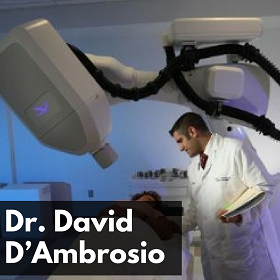
To start the show, Gary Pinkerton shares what is considered normal when prices get a little higher and cash flow gets a little more challenging. Afterward, Jason Hartman interviews Dr. David D’Ambrosio about his experiences with the 1031 Exchange on properties in the Orlando and Indianapolis markets. They also discuss the two ways to diversify a real estate portfolio, the feasibility of doing a cash-out refinance, and equity stripping.
Announcer 0:04
Welcome to the heroic investing show. As first responders we risk our lives every day our financial security is under attack. Our pensions are in a state of emergency. A single on duty incident can alter or erase our earning potential instantly and forever. We are the heroes of society. We are self reliant and we need to take care of our own financial future. The heroic investing show is our toolkit of business and investing tactics on our mission to financial freedom.
Gary Pinkerton 0:39
Hello, and welcome to Episode 123 of the heroic investing show. This show is a podcast for first responders, members of the military veterans, and anyone looking to improve their financial future and gain some freedom with their time. We teach America’s heroes how to build passive income, build their startup business, and safely grow wealth through real estate and other alternative investments. We help current and prior first responders put protections and systems in place to enable them to build a life where they can focus on their passion, not that of their bosses, they can focus on the service or product that they are uniquely gifted to share with the world and will be compensated graciously for my name is Gary Pinkerton and I co host this show that hopefully you find both helpful and inspiring, I co host it with Jason Hartman, a good friend and mentor of mine, and a turnkey provider that has helped many, many people establish that second level of the pyramid. Once you’ve got protection and emergency savings in place, he helps us put in place passive income so that you can make money while you sleep. And more importantly, make money while you’re mastering that unique genius, and sharing it with the world. In 123. We’re going to have Jason do a client case study with a doctor that hails from here in the new york new jersey area, which is you know, basically right next door to where I’m recording from my wife, Sue and I with our boys live here on the Jersey Shore of beautiful gorgeous place in June as I’m recording this was not so gorgeous when we had a brutal winter actually a brutal springtime, March and April were nothing but snowfall. And it was unbelievable that we would get once a week crazy snowstorm really, really wet snow, you know, that would stick around for a day maybe. But it would just kind of mess everything up in the world. And we would come to a dead stop again. Once a week, it seemed. And in fact that stuff was so when hevea destroyed most of the trees in our neighborhood certainly did in our backyard. But Jason’s guest, as I mentioned, is a doctor. And so he’s not a first responder, right. So perhaps this doesn’t apply, but certainly, I think it does, because he’s a practicing oncologist and a doctor that is working really hard. And some crazy hours as you can imagine. So he may have more resources than some of the listeners to this, but he probably does not have more time. And he also had to overcome. And he talks a bit about that in his episode, he had to overcome the idea of not investing in his backyard, you know, finding the team that can help him do it remotely, you know, so he has a powerful story. But I think it’s powerful talk, just just listening to anybody’s story who has succeeded. And when they had some odds to overcome, whether it be a tough work schedule, or investing remotely, it’s just really important to continue to listen to and talk to people who have done this. And you know, his story starts very similar to a lot of ours, he read Robert Kiyosaki his book, or he knows a friend who is doing it and sought their advice. In this episode, they talk about things like 1031, tax deferred exchanges, equity stripping, and he talks about how he went for an additional market. for him. It’s his third market. And he started looking into something a little bit more of what I’d call a hybrid market, specifically Orlando, he was looking for both cash flow and a little bit of appreciation. And I think that’s normal in the market where the cycle is right now where we’re, we’re getting a little bit higher, and cash flow is getting a little bit tougher, but we’re also seeing the appreciation and with somebody you know, like this, this client, perhaps you and certainly I would put myself in this category. I’m not looking to live on the cash flow today. Am I financially free? Have I achieved Fernando’s Financial Freedom Day? Yeah, I think so. But it has never been my goal to sit back, drink my ties and go golfing. If you see me golf, you would know why that’s not my goal. But I always want to, you know, continue to be a producer. So not everyone does. But in my situation, I don’t really want to use the cash flow at the moment. And so we’re plowing it back into properties. And we’re also kind of sprinkling in a couple of markets like this gentleman, and Where we’re hoping for a little bit of upside on the appreciation. So we’ve bought some properties in Jacksonville, we have one that we’re building, it’s going to be a short term rental on the barrier island off of St. Augustine. So certainly not the cost per square foot that I started with in St. Louis and Memphis and even down in San Antonio, is it going to be a good bet? I’m not sure. I doubt unless it falls off the off the eastern seaboard, that anyone will stop going to the coast of the Atlantic coast and spending time on the beautiful white sands of Florida. So I may not be purchasing at a huge bargain. But I also don’t think that I’m purchasing in the next Detroit. And there are many to say, Detroit’s coming back. But until we see the U hauls going towards Detroit, I believe there’s still some massive out migration in that city. And so it will not be a favorite of mine until we see a net in migration going into the city. And I don’t think we’re gonna see a net out migration of Florida or California or really anywhere else. Yes, it happened in California for a short period of time. But the population in California is exploding right now. So I’m not saying go buy in California, I’m saying perhaps take a look at Florida, I would not buy in California. But that’s more of a political statement than anything else, the state is bankrupt. And they have an incredible appetite, to spend the public’s money and increase taxes and tax businesses and driving them out of the state. So lest I go down a tangent, in the prequel or in the pre introduction to a pretty long discussion, client case study, I’ll cut it off there. I invite you, though, to study and think about what this gentleman brings, he brings some pretty interesting ideas, I followed much of this similar path and much of this similar advice. So I found it extremely interesting, and I think applicable in today’s market with the audience that listens to the heroic investing show. So thank you so much. We’ve got a lot of great episodes coming up. A lot of new content every Wednesday. So please stay tuned with us. And I will bring them to you as soon as I can get room to get him on the podcast.
Jason Hartman 7:09
It’s my pleasure to welcome one of our clients to the show. It’s David D’Ambrosio. And he is located in New Jersey, and has an interesting story about his journey as an investor, and some of his next plans and talk a little bit about his recent 1031 exchange and so forth. David, welcome. How are you?
David D’Ambrosio 7:27
Great, Jason. Thanks for having me on.
Jason Hartman 7:29
Good. Hey, thanks for coming on. It’s great. How long have you been listening to the podcast?
David D’Ambrosio 7:34
Probably a little bit over a year. So I’ve listened I went back to when I listened to the older the older ones that I could get my hands on as well. So I’ve probably listened to maybe I would say probably about 300
Jason Hartman 7:46
Wow. 300. And you’re not sick of me yet. Well, thank you. That’s great. Good stuff, good stuff. Give us a little bit of your, your background and, you know, tell the listeners what you do for a living and kind of let’s just dive into your journey as an investor.
David D’Ambrosio 8:03
Sure, sure. So, I am a physician, I’m a I’m an oncologist, a radiation oncologist specifically, and I’m the son of an immigrant. So I feel like I’m living the American dream, as long as that’s gonna last, who knows. But I always have had an interest in investing in general and educating myself about different types of investing. And I’ve always kind of come back to real estate in general, because of all the things that we we discussed on your podcast all the time. And I read, you know, a lot of real estate books and I think a lot of people probably talk about that Rich Dad Poor Dad book, which opened up some some new thoughts in my head, especially the actually the 1031 exchange, they mentioned in that book, and my medical partner, Jolla, Tansy is the one that actually turned me on to your network, because he, he had invested with you. And that’s how I came specifically to your podcast. I spent a lot of time educating myself before diving in. And the method that I hadn’t started my investing with you was was through this 1031 exchange.
Jason Hartman 9:15
So you were interested in investing, and you had a great immigrant story. I love that. And, and by the way, just to comment on your American dream, as long as it last comment, I think we all unfortunately, and it really is no laughing matter, see the country taking the wrong direction in so many ways. But, you know, at the end of the day, it’s all a game of comparison, right? It’s not a question of whether America has gotten better or worse. Yeah, you know, that’s, that’s part of it. But it’s just, you know, compared to ‘what’ is always the question, it’s always a relative thing. Where’s your family from, by the way?
David D’Ambrosio 9:46
So we’re from New York City. Originally, my father, my father came over on a boat into Brooklyn, and then I grew up in Queens, and I live in Jersey now.
Jason Hartman 9:58
Yeah, but where originally? Like you said, the immigrant story. That’s why I asked.
David D’Ambrosio 10:01
Oh, what part what part of Italy. My father was from a little town in north of Naples.
Jason Hartman 10:05
Good stuff. Well, fast forward now. You you learned a lot about investing and listen to 300 of my shows or so. So thank you for that. And you did a 1031 exchange now. So what did you sell? And what did you buy in that exchange?
David D’Ambrosio 10:21
Sure. So so that story, the story with that was that actually the house that I had grown up, and my parents had retired A few years ago, and they were looking to sell the house. And my original plan was, they were selling it to me, obviously, I was getting a son discount. But my plan was actually to keep that house and rent it in New York City. And I would have had maybe a little little bit of cash flow, if I had done that. But that’s when my eyes were opened, kind of at the same time, I was listening to your podcast. And I realized that if instead of renting that long term, if I sold it and did a 1031 exchange, that I would, I would greatly improve my cash flow. And also my overall investment by instead of just having one switching that over to multiple properties.
Jason Hartman 11:13
So so you sold that property? And when did you sell it
David D’Ambrosio 11:16
the end of last year? Towards the end of last year?
Jason Hartman 11:19
And you did a 1031 exchange on that, right?
David D’Ambrosio 11:22
Correct. So I transfer that into four properties in in Orlando, that I bought with a group. You know, the, the cash that I got out of that, and put into those four new houses was enough that I was able to put even more than 25% down. So it was really, it was really a very good deal for me. Obviously not having to pay the tax on it was a big thing, too.
Jason Hartman 11:51
Right. Right. Yeah. Good. Good stuff. So so all in Orlando. Now. It’s interesting. You didn’t you didn’t want to split those up and get like, get into two different markets there. I know, you’ve got some other properties. Where else do you own? Or did you feel you were diversified enough already?
David D’Ambrosio 12:06
You know, I have I have four properties in Indianapolis as well, I really, really liked the Orlando market, because I feel like they’re we’re in a unique situation there that the value is so good for, for cash flowing. And I think there’s a lot of upside potential for appreciation. And I ascribe to your philosophy, I’m not an appreciation investor. But I thought that it was a good idea for me to try to split split myself up by putting more more of my portfolio there. I think I’d like to get into one more market. But I’m things are still settling down with that. But that was my thought process with Orlando was, seemed to be a nice, a nice combination of good cash flow, but also the potential for some appreciation down the line.
Jason Hartman 12:54
Right. Absolutely. And I think that’s a good decision, you know, one more market get into three total, you’ll just be super nicely diversified. So yeah, that’s definitely a good idea.
David D’Ambrosio 13:06
The other you know, the other issue with that, too, is these 1031 exchanges, when you’re doing in general are a little complicated. But when you’re trying to go from one property to multiple properties, it can get pretty, it can get pretty hairy. And if I was trying to if I was trying to make sure that I had placed a set up in more than one more than one location, I think it really would have complicated things for me with all the deadlines that are involved.
Jason Hartman 13:27
Yeah, that’s true. That’s true with the exchange. Did you have any trouble fulfilling your exchange? Were you worried at any point? I mean, the last two, I’ve done I did. I did? Well, I did two of them last year. Actually, I should say the last three exchanges. I’ve done. Two of them last year and one this year so far. It’s it’s been kind of difficult. I’ve been worried, you know, coming down to the deadline on those exchanges. I, I did make it on all of them, thankfully. But I was worried that I might not because it was a little bit hard to find properties.
David D’Ambrosio 13:58
Yeah, I was definitely worried about it. But what I did was you’re allowed to you’re allowed to name I don’t remember the exact rule, I think you’re allowed to name 250% more value of additional properties, not just the ones you take. So when I when I made my list, I picked about 10 properties, six more than the ones that I actually wanted. So in case any of them fell through for whatever reason I could, I could still pick up the other one, so I didn’t have to lose out on any of it.
Jason Hartman 14:25
Yeah, I know, they keep you the IRS won’t let you just identify the whole world. You know, I wish you could just give them a big list of properties. But they’re, they’re too smart for that they, they only let you I think it’s 200%. Possibly it might be I don’t know, it might be 250 I can’t remember. So in other words, if the value of the exchange is say $500,000, just to use a semi round number example, then you could identify $1 million worth of property if the rule is 200%. By the way, don’t quote us on that because neither of us are sure we can remember and then you only have to call Close on 500,000. In other words to to meet your requirement. So in other words, half of the deals could fall through, and you would still meet the requirement and make the exchange without paying any capital gains tax, and you would have that nice deferral in there. So yeah,
David D’Ambrosio 15:17
Right, because you only have 45 days to do the identification, which you have six months to close. So you can cast a wide net, and then narrow it down later. Exactly. The other thing, the other thing I didn’t realize about the exchange was I thought that it the cash that you have to reinvest, I thought it was only the capital gains, but it’s actually all the cash that you get from the sale. So I had put some money into renovating that house while I was renting it. And I know that it was a big deal, but I just for your listeners, you you you have to spend all the cash, you can’t take any cash out from that sale, you have to spend it all even if it’s not a game, and you have to use at least the same amount of debt that you had on the initial on the initial sale.
Jason Hartman 16:01
Well, it’s pretty awesome tax advantages. What do you see in your profession with with other doctors and so forth? Are they are they really in the real estate? You know, this is something that I mean, highly paid professionals like yourself have just got to build real estate portfolios, because, obviously, you have a giant tax problem. And, and, you know, thankfully, you have great income, but I see a lot of professionals, doctors, lawyers, well, lawyers don’t even make that much money anymore. A lot of times unfortunately for them, but they’re just not really doing this. They’re not they’re not getting tax breaks for themselves and, and given 40 some odd percent of their money away to the government. It’s it’s just tragic, really.
David D’Ambrosio 16:41
It’s extraordinarily frustrating to try to educate people because it’s, you know, these, these are people, men and women that devote such a large amount of their time to educating themselves and to helping people but they don’t really have any, any real financial IQ. I can’t tell you how many times I hear people talking about, you know, I called my stock broker, and this market crash, and I just sold a bunch of stock. And, you know, I feel like half the time I’m on a soapbox telling them, you have got to invest in real estate at least two or three times a day on talking to people about it, trying to get other people involved it really, you know, it really is an absolute no brainer with the tax advantages, you know, not to mention, these returns that you’re getting on your cash when you leverage it or just, they’re better than anything else out there, and particularly.
Jason Hartman 17:29
Sure, yeah. Leverage leverage can become very addictive, that’s for sure. Yeah, it’s, it’s really incredible. Were you one of those people, though, because you’re your partner in your business, the other doctor you work with approached you and said, Hey, you should be real estate investing. Are you really open to it? Or were you? Were you one of the skeptical doctors out there?
David D’Ambrosio 17:49
Oh, I was I was always open to it. I just wasn’t sure how to go about it. And he’s really he introduced me to the concept of of your model where you don’t invest locally, I was always thinking I would buy some some houses near me and you can’t cash flow in New Jersey or New York. It’s there. The the property taxes here are ridiculous.
Jason Hartman 18:11
Tell us about that for a moment. Yeah, your taxes in New Jersey are some of the high, I think you have the highest property taxes in the nation, don’t you?
David D’Ambrosio 18:18
We do. I’m embarrassed to even say how much my property taxes on my property tax on my house that I live in is a mortgage payment on, boy, it’s it’s it’s a mortgage payment on probably six, six of my houses all together. Wow. Oh, yeah. It’s bad.
Jason Hartman 18:40
That’s crazy. Yeah, it really is. Anyway, what were you saying before I got you on the tax tangent, the property tax tangent.
David D’Ambrosio 18:46
I was just talking about how a lot of you know a lot of physicians are just not educated, educating themselves about finances. And, you know, I try to I try to talk to friends and colleagues about getting involved in this. And I think you were asking about how I got interested specifically. I was. So I was I was saying I was always interested in real estate, but I wasn’t sure how to go about it because you can’t cash flow here. And my partner, my partner, Joel with Tansy told me, you know, check out this Jason Hartman guy. So I, you know, I started listening to your podcasts and I, I haven’t stopped but the whole, you know, go into buying houses in other cities where they make sense. Just Well, first of all I was on I was when I first looked at it, I couldn’t believe how much cheaper it is to live in other parts of the country growing up in New York and living in New Jersey, for the some of the houses that I that I own in Florida would, you know, would probably be four times the amount if they were here.
Jason Hartman 19:46
Yeah, it’s it’s really incredible. I always wonder why doctors have that rap. You know, they, they say doctors are notoriously poor business people. They and I think it’s because they’re, you know, is it is it like the science You’re a scientist. And scientists just don’t think Usually, I mean, some of them do obviously like yourself, but they don’t think in, in the world of finance and money, it’s just a kind of a different. It’s kind of a different thought process or something, right?
David D’Ambrosio 20:14
Yeah, I think that’s part of it. But I think the other part of it is, is the whole the whole way. Doctors typically think which is that we, we it’s goes on, on said and understood that we have a fiduciary obligation that we do the right thing for our patients. And I think we assume that people that are trying to, quote unquote, help us invest our money are looking out for our best interests. And they, they don’t have the time or the inclination to really delve into that and educate themselves about it any better than, you know, then they do. Unless they have somebody that turns them on to it.
Jason Hartman 20:47
Yeah, that’s an interesting point. And Wall Street, just as such a better job of marketing than the real estate industry does. I mean, my industry is terrible. At marketing, they have, they have the most historically proven asset class, you know, they’re the real estate people, they’ve got the best asset class, and they’re just lousy at it, marketing it. And Wall Street has a really mediocre to terrible asset class. And they’re fantastic at marketing it. So I think that with professionals and with highly educated people, the Wall Street world, kind of it just appeals to them. Because it’s, you know, you can go see a guy wearing a nice suit, and you know, he’s got a degree from a good college, or as a lot of real estate people, they didn’t go to college, or they’re certainly not dressed professionally, a lot of times. And you know, it’s sort of like a mom and pop industry, but it’s, it’s such a good investment. It’s such a good asset class, it’s just a strange part of our society, it’s always baffled me to some extent, you know,
David D’Ambrosio 21:46
It really, it’s, it’s not, it’s not sexy, like the, you know, the the guy on Wall Street, you know, spending $1,000 on a bottle of champagne. But I bet you, if you look at his account versus an account of one of your clients, you’re gonna see a lot more wealth in there.
Jason Hartman 21:59
I agree with you, unless the guy buying the $1,000 bottle of champagne on Wall Street is an insider. Now, he probably has a pretty good bank account, and he probably owns a lot of real estate. That’s the irony of it, you know that the irony of these insurance companies that sell annuities and products like that is that they’re all investing in real estate with that money. It’s just, it’s just such an irony to me that they take their insurance premiums and buy real estate, you know, especially office buildings, they seem to love office buildings, you know, large institutional investors, obviously, and I just thought that was really kind of kind of just a total irony, you know, the way that that works, but it is the way of the world it is the way the world. Well, do you have any questions for me that maybe you know, some of our listeners might want to want to get answers to as well?
David D’Ambrosio 22:48
Well, you know, I think a big question for me is, where do I go from here? You know, I’m almost at my limit with traditional mortgages. And I know that there’s some, you know, there’s we always talk about, or you always talk about, and I read about how there’s these portfolio lenders that will lend you above 10. But it’s almost like this kind of black box where, how bad are the rates when you go above 10? And should I just stop at 10? And wait and just do keep doing 1031 exchanges? That’s kind of what I’m struggling with right now is, where to move from here?
Jason Hartman 23:24
Yeah. So if you’re at your 10 limit, if you’re married, and your spouse can qualify, your spouse has to have income and so forth, then you can do 10 more, that spouse can do 10 up to 10 more, which is which is great. But it whether or not you can do that and you get to 20 properties that way. There are still some pretty good portfolio loan options out there some community banks that will finance you, and I tell you, the rates aren’t bad. I just talked to one this morning, actually, that will finance pretty good rates. Now, it’s it’s only fixed for seven years in their case. And I think there’s somewhere in the in the high fours. I mean, I don’t know that’s not bad. Okay. It’s certainly not as good as 30 year fixed at four and a half percent. I know, but it’s certainly not bad. I mean, to have a seven year fixed and, and maybe by then you do a 1031 exchange or there’s a refi opportunity or if the rates are insanely high and you have cash, pay it off, you know, what should we you know, I’m not a fan of paying things off, but there are some times when it can potentially make sense so
David D’Ambrosio 24:33
Well these these local lenders though, it’s my impression is that they they really tend to want to lend to local people like would they want let’s say for instance, I wanted to buy a property in what is it the Quad Cities there? Would they want someone living in New Jersey but was buying property in the in their state?
Jason Hartman 24:51
Well, no, you’re gonna you’re probably going to go to the bank in that market. Okay. You were you’re buying Yeah, and these are These local community Thai banks that make really a lot of them bank really sensible loans, you know, they do financing. That’s just logical. It’s not dictated by the government and and well, the government sponsored entities Fannie Mae, Freddie Mac, you know, that sort of pseudo governmental entities, I’ll say, it’s not dictated by them. In that sense, you know, they’ll they’ll do some really logical loans with usually 25% down and, and they’re not going to be 30 year fixed because they can’t sell them off on the secondary market, but seven year fix maybe 10 years if you’re lucky. And the rates are very reasonable. I mean, I think this is a very good option. And then after that, you can decide, do you go to a B to R, or Lima one, we have a representative from Lima one at our last event in Phoenix, they do some really logical, sensible loans to, they can do some good things for you as well. And there, there are some good options out there, you just it takes it takes a little more digging, and they’re a little more fragmented, if you will, in terms of the choices and, and making decisions, but but they’re not too bad at all. And not too bad at all still still good.
David D’Ambrosio 26:10
When you say seven year fixed, it’s still a 30 year amortization?
Jason Hartman 26:14
Yeah, 30 year amortization, and it will become adjustable rate in seven years. And the reason they have to do that is because they’re not selling it off to the secondary market. They’re they’re probably keeping it on their books, or they’re selling it to a another investor, not rather than this big secondary market of Fannie Mae and Freddie Mac that has very specific guidelines.
David D’Ambrosio 26:38
So let’s say you did something like that. Alright. And you wanted to do a refinance of that into a more, can you do something like that, where you refinance into a more traditional loan? Are you still constrained by that same 10 10 property limits?
Jason Hartman 26:51
Oh, no, because we don’t know what the rule will be in four years, or seven years, or five years, or six years or anything in there, right. So the lending climate may become more liberal by then, or it may become more conservative by then. But the nice thing is, you’ve got seven years to watch and evaluate. And you’re hopefully going to get a really nice return on your property for those seven years, you could sell the property, you could refinance anywhere in between there. You know, in the old days, you could get an unlimited number of Fannie Mae and Freddie Mac loans, but post financial crisis, they first cut it down to four, and then they raised it to 10. And they’ve stuck with that 10 number for quite a while. But who knows that may become liberalized, you just never know what the future will bring in terms of financing options. And the other you do have a risk, though, obviously, I mean, you know, it goes without saying, but I’ll say it, you have interest rate risk, right. So the rates could could go up, and then you’ll be paying a higher rate. But if they do, and, again, there’s always lag time in here. But if they do, you’ll probably see substantially higher rents, and lower inventory of new housing being built. The problem is there’s an adjustment period, there’s a lag time to this. So for example, if rates spike up tomorrow, it’ll take a couple of years for rents to adjust inventory to decline. And that’s the part that kills investors. And this is why the prudent investor in the long run, I believe, always wins the game, because they can ride out those adjustment periods, those storms, were the people that bought high rise condos in Miami or San Diego, or overpriced property in California, or the Northeast, you know, they don’t have that luxury, that they can ride out that adjustment period that that storm that lag time when everything is adjusting. But but it ultimately always does adjust, it just takes a couple of years to see it happen.
David D’Ambrosio 28:55
Do you think that it’s prudent or sensible to do a cash out refinance, if you can get significant money out through due to the debt paying off? Or it appreciates a little bit? If that means you’re going to take away your cash flow on a monthly basis? Or is that more of a personal decision, I guess?
Jason Hartman 29:14
We’ll I’m probably going to say absolutely, yes. But here are the questions I would have. What is the rate on that underlying mortgage you’re refinancing, compared to what are the rates today on the new loan you would be getting? And you might well get a lower rate or a similar rate. And then I would say definitely take the cash out. Because the point is not and this may sound really odd, and it takes you kind of got to get your head around this listeners, okay, because I know a lot of you are gonna say this is imprudent, and it doesn’t make any sense and what are you talking about? I’ve heard it all before, but in a way in a way, it’s not really about cash flow. Oddly, what it’s really about is rent to value ratio. Okay? So for example, if someone told you, you could control $100 million of real estate tomorrow, that had very good metrics, very good rent to value ratios in rented for 1% per month, but because of the financing on it, it was fully encumbered and had zero cash flow, would you still want to own $100 million worth of real estate? Absolutely, yes, I hope you’d say that, right? That the reason you’d want to do that is because you have other multi dimensional things that will make you wealthy with that real estate portfolio, you don’t have to get monthly cash flow, what you really want is a good rent to value ratio. And this is going to be a bit of a long answer, as my usual answers are I know, I’ve never been accused of being short winded. But in the old days, when before the Great Recession, you know, some some would say I was imprudent recommending this strategy. But we used to talk about something that I called the deferred down payment, okay. And the reason there would be a deferred down payment is, number one, the market was appreciating very quickly, and rents take a while to keep up and adjust to the appreciation there they lag appreciation, which always seems to happen faster. And you could buy properties with no money down. Okay. So the question was, in this equation, I used to show this at my seminars on a spreadsheet, I use, you know, and I don’t have it in front of me, and I don’t remember the exact example. But the concept is this, that, you know, if you put 25% down, for example, the property could yield you, maybe $300 per month and positive cash flow. But if you put nothing down, you would be zero cash flow, or you might even have negative cash flow. Now, the lenders won’t even let you do this anymore. But in the old days, they would. And a lot of people listening will say, well, Jason, isn’t that the reason we had a crash? Well, not exactly. Not on these types of properties. That wasn’t the reason. The reason was, is that people were using this strategy to buy stupid properties in Southern California or elsewhere. That never made sense, anyway, okay, because they had bad rent to value ratios. That’s how you can tell if the deal makes sense, not by the cash flow, but by their rent to value ratio. Okay. So the time horizon on this equation, this deferred down payment equation was that it was basically about nine years. So if you get your $300 a month, or you get zero per month, in the in the difference in the amount of money you put down, if you just kept that money in the bank, and drew on it at a rate of $300 per month. And I you know, I don’t remember the exact number. So you may be doing the math and saying, well, Jason, that’s not nine years. But the example I use to show it was nine years based on the interest rates back then. And based on the rent to value ratio back then. And based on the down payment options, back then, it was basically a nine year breakeven point. So I would rather have my 25% in the bank. In other words, your cash out refi, you have control of that cash, then how that $300 a month and positive cash flow. I mean, that’s an easy decision for me to make in that way. I would rather have the property more leveraged with less cash flow, but more money under my control in the bank, or giving me the ability to buy more and control more real estate. Does that make sense to you? Or do I sound like I’m crazy?
David D’Ambrosio 33:54
Oh, that that makes that makes a ton of sense. Absolutely. Not answer the question. Sure.
Jason Hartman 34:00
You always really want to lean in favor. And it depends on the climate in the market. So no answer is ever completely simple. But you always want to lean in favor of the idea of equity stripping, pulling the money out of the property, having control of the cash, and still having control and ownership of the property. That’s the beautiful thing about real estate, you can acquire the asset, put some money down to acquire it, and then later get all your money back out in still own and control the asset. I mean, you do that? Yeah. And you don’t have to pay tax on that borrowed money that you took out. It is a absolutely beautiful, beautiful asset class. I absolutely love it for for not just that reason, but many others as as you know. So good stuff. So what are your plans? Next, you’re going to get into a third market. It sounds like, right?
David D’Ambrosio 34:53
Um, yeah, I’m gonna, I’m gonna think about it. I’ve listened to the podcast on the Quad Cities. So I’m looking at data Little bit, I’m probably going to pump the brakes, pump the brakes, since I did so much this year and maybe, maybe do something early next year, but I don’t want to wait too long, because I know the interest rates at some point are gonna start going up.
Jason Hartman 35:11
It seems like they would have to, doesn’t it? It’s just, it’s just,
David D’Ambrosio 35:16
I’ve been saying that for five years.
Jason Hartman 35:18
Hey, I’ve been saying it for 10 years and I’ve been wrong. My interest rate predictions, but I tell you interest rates are very, very difficult to predict, because they’re basically they’re basically set by Fiat, you know, by Federal Reserve and government policy overall, the best place and I want to get them on the show. I don’t know if it’s the best but you know, it’s it’s well known in the world of interest rate and banking is a newsletter called grants interest rate observer. And I want to get a representative from that group on the show. I haven’t done it yet, but they seem to have some pretty good insights into interest rates. But again, it’s a roll of the dice. Nobody really knows not even Janet Yellen at the Federal Reserve. She doesn’t even know what she’s gonna do next quarter always so we shall see. But David, thank you so much for being on the show and just sharing your story with our listeners and in your experience, and we appreciate your business and just want to wish you continued success and happy investing.
David D’Ambrosio 36:16
My pleasure. Thanks for having me on.
Jason Hartman 36:19
Thank you so much for listening. Please be sure to subscribe so that you don’t miss any episodes. Be sure to check out this shows specific website and our general website heart and Mediacom for appropriate disclaimers and Terms of Service. Remember that guest opinions are their own. And if you require specific legal or tax advice, or advice and any other specialized area, please consult an appropriate professional. And we also very much appreciate you reviewing the show. Please go to iTunes or Stitcher Radio or whatever platform you’re using and write a review for the show we would very much appreciate that. And be sure to make it official and subscribe so you do not miss any episodes. We look forward to seeing you on the next episode.
No related posts.